MixMyPeptide walks you through calculating your Magic Number, mixing (reconstitution), proper storage, and links to reputable dosing resources. Educational use only—no medical advice.
Info-only tool. Always confirm dosing with your clinician. U-100 assumption: 1 mL = 100 units.
Examples
Mixing (How to Reconstitute Peptides with Bacteriostatic Water)
Important: Always work in a clean area, wash yourhands, and use sterile equipment to avoidcontamination.
Follow sterile technique and work on a clean surface. These are general steps—always follow your vial’s specific instructions.
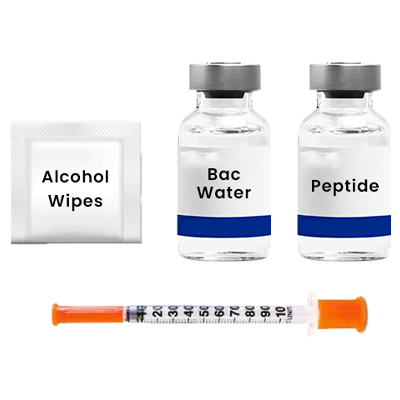
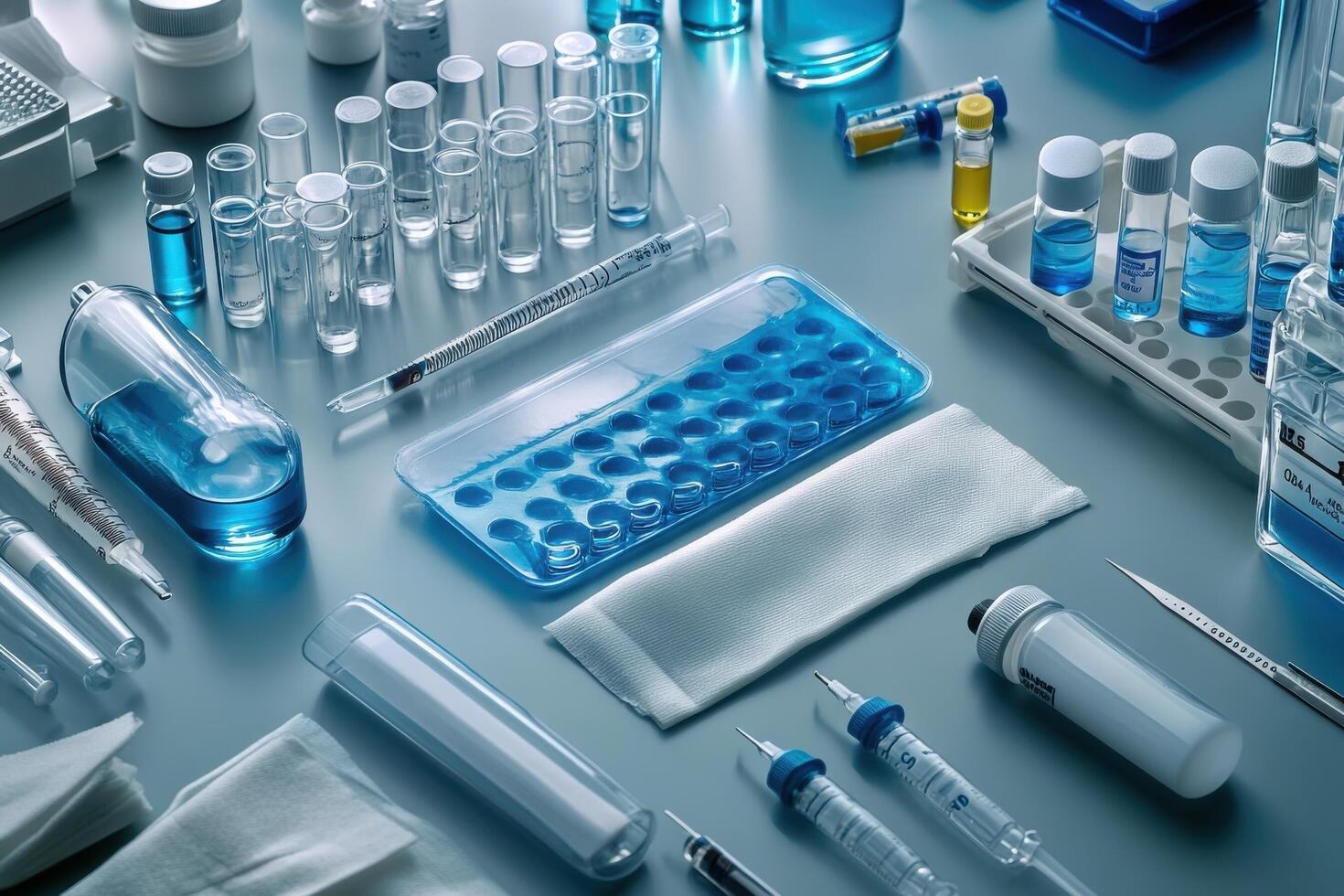
Step 1 – Gather Supplies
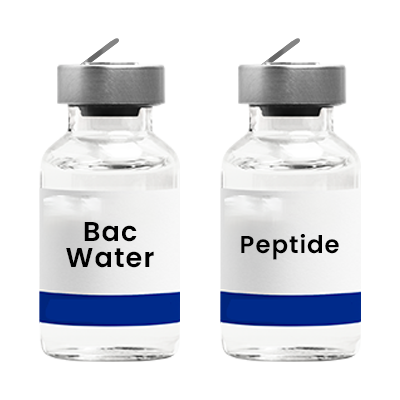
Peptide vial (powder form) Bacteriostatic water vial Alcohol prep pads Sterile syringe with needle Clean workspace
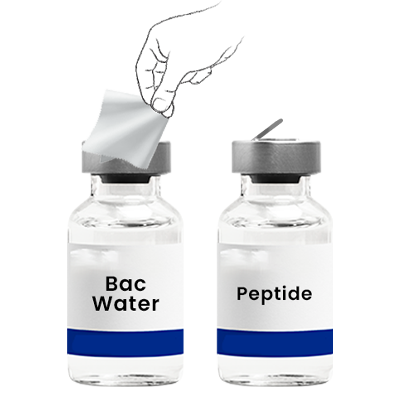
Step 3 – Sanitize Vials
Wipe the rubber stoppers of both vials thoroughly with an alcohol prep pad. Allow to air dry before proceeding.
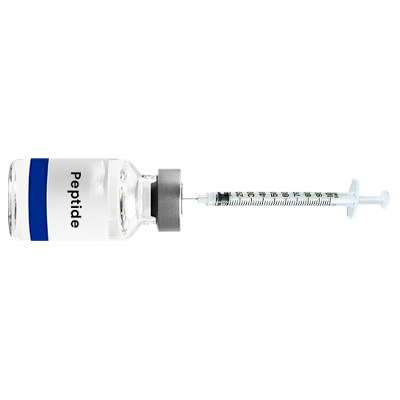
Step 5 – Inject Water into Peptide Vial
Slowly inject the water against the inside wall of the peptide vial (not directly into the powder). Avoid creating foam or bubbles.
Step 2 – Open Vial Tops
Remove the flip-off caps from both vials. Keep the rubber stoppers intact do not remove them.
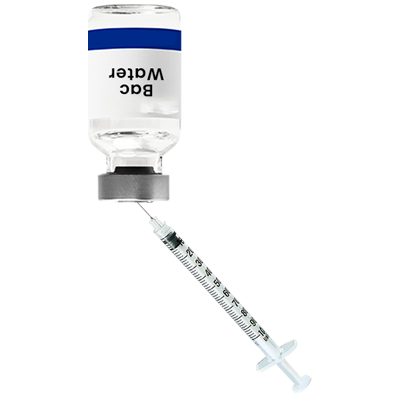
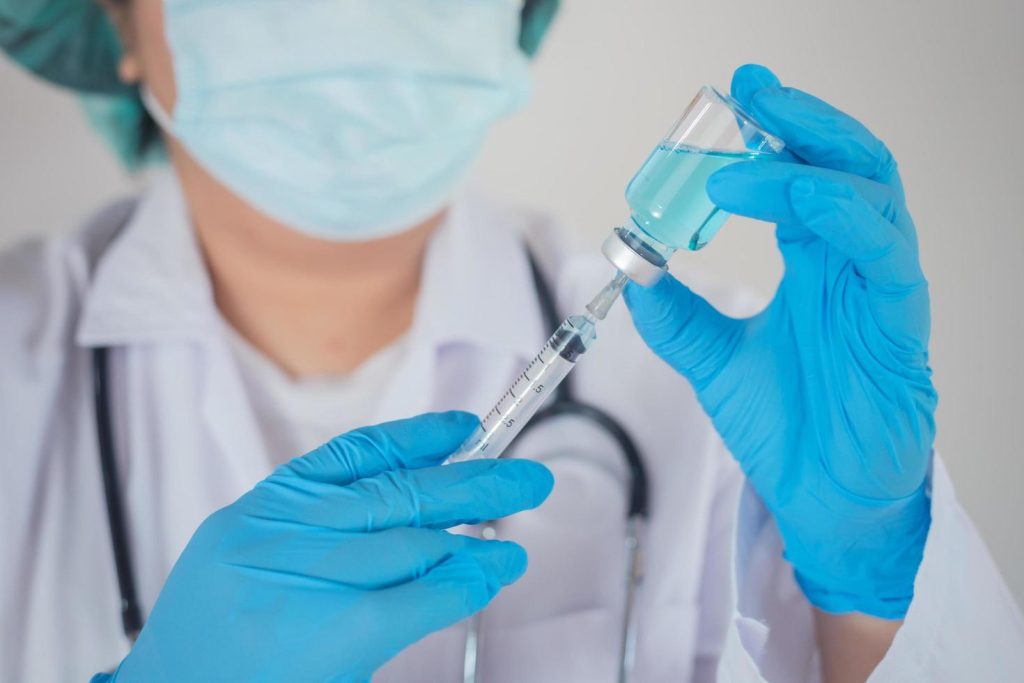
Step 4 – Draw Bacteriostatic Water
Insert the needle into the bacteriostatic water vial. Pull back the syringe plunger to draw the amount of water recommended for your peptide. Double-check your measurement before injecting.
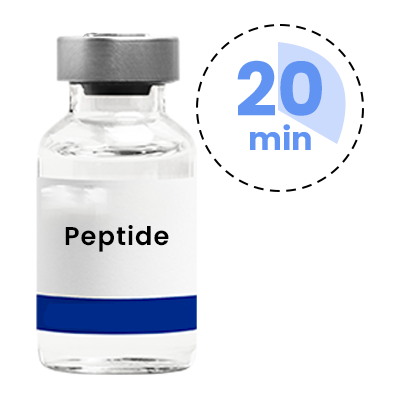
Step 6 – Dissolve the Powder
Gently swirl the vial until the powder is fully dissolved. Do not shake, as this can damage the peptide.
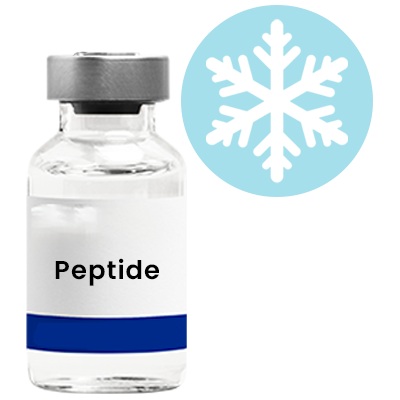
Step 7 – Store or Use
Use immediately or refrigerate according to your peptide’s storage instructions. Most reconstituted peptides should be kept between 36–46°F (2–8°C)
Step 1 – Gather Supplies
Peptide vial (powder form) Bacteriostatic water vial Alcohol prep pads Sterile syringe with needle Clean workspace
Step 2 – Open Vial Tops
Remove the flip-off caps from both vials. Keep the rubber stoppers intact do not remove them.
Step 3 – Sanitize Vials
Wipe the rubber stoppers of both vials thoroughly with an alcohol prep pad. Allow to air dry before proceeding.
Step 4 – Draw Bacteriostatic Water
Insert the needle into the bacteriostatic water vial. Pull back the syringe plunger to draw the amount of water recommended for your peptide. Double-check your measurement before injecting.
Step 5 – Inject Water into Peptide Vial
Slowly inject the water against the inside wall of the peptide vial (not directly into the powder). Avoid creating foam or bubbles.
Step 6 – Dissolve the Powder
Gently swirl the vial until the powder is fully dissolved. Do not shake, as this can damage the peptide.
Step 7 – Store or Use
Use immediately or refrigerate according to your peptide’s storage instructions. Most reconstituted peptides should be kept between 36–46°F (2–8°C)
Open vial tops
Remove flip-off caps only; keep rubber stoppers on.
Sanitize vials
Wipe stoppers with an alcohol pad and let them air-dry.
Draw bacteriostatic water
Insert needle into bac-water vial and draw the exact volume recommended for your peptide. Double-check measurement.
Inject into peptide vial
Slowly inject against the inside wall (not directly onto the powder). Avoid foaming/bubbles.
Dissolve the powder
Gently swirl until fully dissolved. Do *not* shake.
Store or use
Use immediately or refrigerate per product instructions (most reconstituted peptides are kept at 36–46 °F / 2–8 °C).
Let alcohol fully dry before piercing stoppers. Moist alcohol can carry contaminants into the vial.
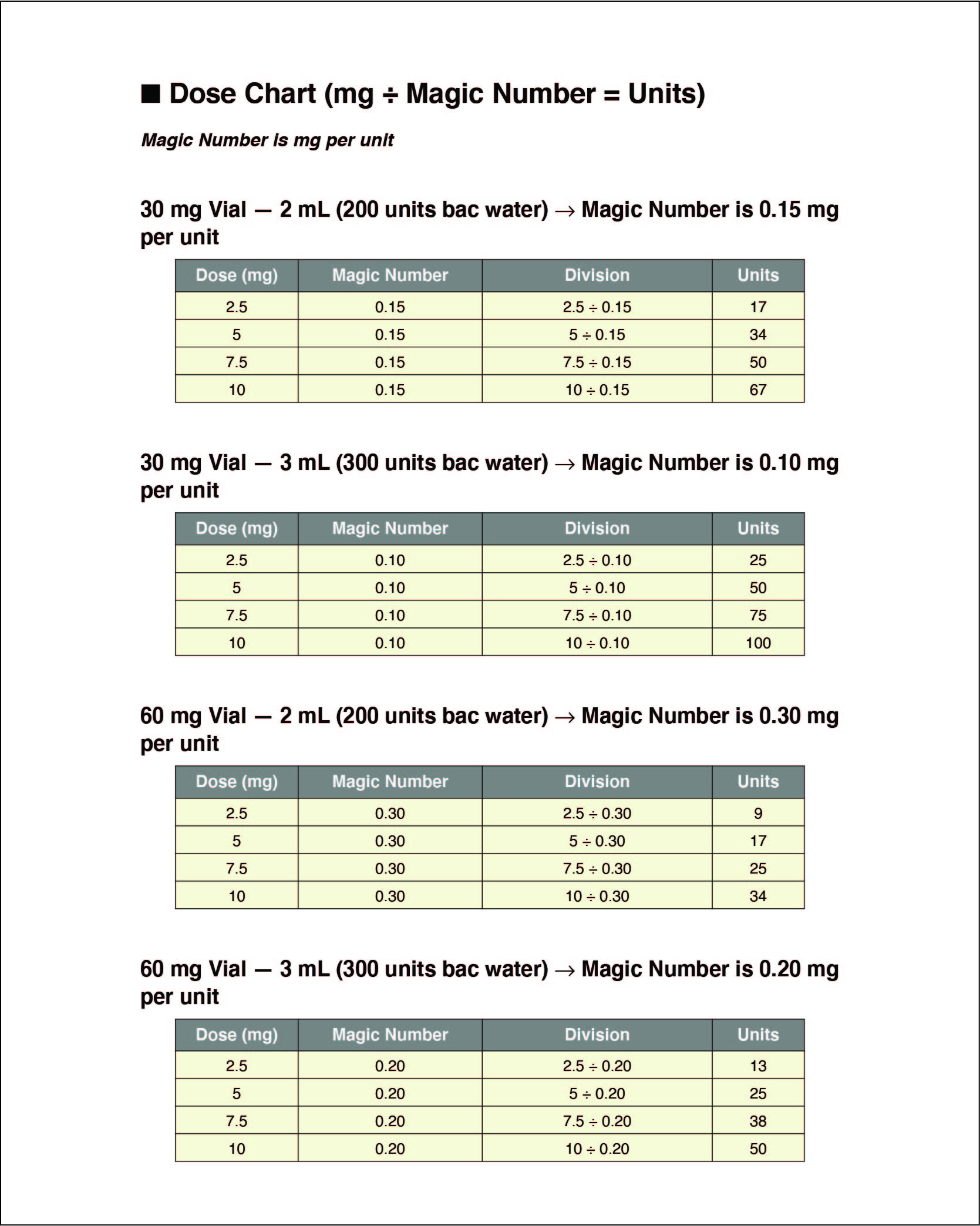
A convenience number: insulin-syringe units per milligram after reconstitution. If your Magic Number is 20 U/mg and your dose is 1 mg, you’d draw *20 units* on a U-100 syringe.
It contains a small amount of benzyl alcohol to inhibit bacterial growth after multiple punctures, making it common for reconstituting multi-dose vials.
Typical guidance is *4–8 weeks refrigerated*, but always follow your product insert/clinician. Discard if solution becomes cloudy, discolored, or shows particles.